10 Digital Skills Every Student Needs Before Graduating in 2026
Digital skills every student needs before 2026 graduation, from AI literacy to cybersecurity. A practical guide to staying job-ready.
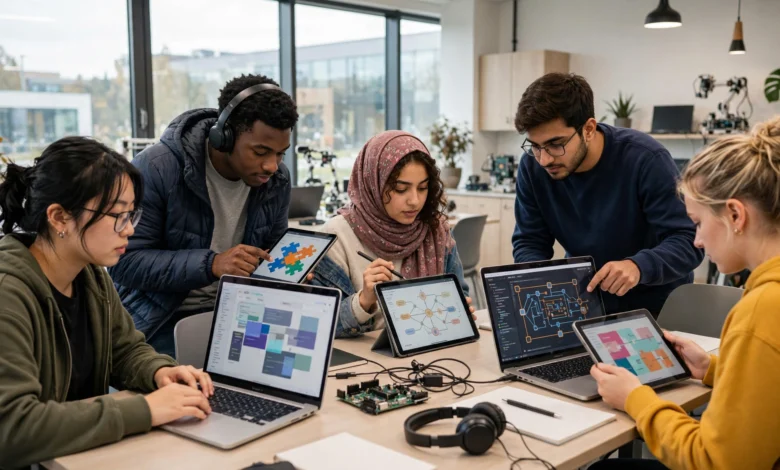
Walk into almost any workplace today and you’ll notice something: the line between “tech jobs” and “everyone else” has basically disappeared. A marketing intern is expected to read a data dashboard. A nursing student is expected to navigate electronic health records. Even a history major applying for a research assistant role will likely get asked whether they’ve used AI tools for source analysis. The digital skills every student needs are no longer a bonus line on a resume. They are the baseline.
This shift has happened fast, and a lot of students are graduating without realizing how much the expectations have moved. Universities still teach plenty of theory, but the practical, hands-on digital fluency that employers actually test for often gets left to chance. That gap is exactly where students lose ground, not because they lack intelligence or effort, but because nobody sat them down and said, “here’s what you actually need to know how to do.”
This guide breaks down ten digital skills for students that matter most heading into 2026, why each one matters, and how to start building it without needing a computer science degree. None of these require expensive bootcamps or years of study. What they require is intention, a bit of practice, and the willingness to treat digital competence as seriously as any exam.
1. AI Literacy and Responsible Tool Use
AI literacy has quickly become one of the most in-demand digital skills for students, and it’s not about becoming a machine learning engineer. It’s about understanding what AI tools can and can’t do, how to prompt them effectively, and where their limitations create risk.
Students who graduate with real AI literacy know how to:
- Use AI tools to speed up research, drafting, and data analysis without outsourcing their own judgment
- Recognize when an AI-generated answer is confidently wrong
- Understand basic concepts like bias in training data and why AI outputs need verification
- Apply AI tools ethically, respecting academic integrity policies and workplace guidelines
According to the World Economic Forum’s Future of Jobs Report, employers increasingly rank AI and big data skills among the fastest-growing competencies for the next five years. Students who treat AI as a collaborator rather than a shortcut will have a real edge over those who either avoid it entirely or lean on it uncritically.
How to Build It
Start small. Use AI tools for outlining assignments, summarizing long readings, or checking your logic on a problem set, then compare the output against your own understanding. The goal is fluency, not dependency.
2. Data Literacy
Data literacy doesn’t mean you need to run statistical models. It means you can look at a chart, a spreadsheet, or a report and understand what it’s actually telling you, including what it’s leaving out.
Employers across nearly every field now expect graduates to:


- Read and interpret basic charts and dashboards without misreading trends
- Understand the difference between correlation and causation
- Spot when a statistic is being used misleadingly
- Perform basic spreadsheet functions like SUM, AVERAGE, sorting, and filtering
Spreadsheets remain the most practical entry point here. If you’re comfortable in Excel or Google Sheets, building simple formulas and pivot tables, you already have more data literacy than a large share of new graduates. This is one of those digital skills every student needs that quietly shows up in almost every job, regardless of industry.
3. Cybersecurity Awareness
You don’t need to be a security analyst to protect yourself and your future employer from basic threats. Cybersecurity awareness is one of the most overlooked digital skills for students, and it’s also one of the easiest to build.
Core habits every graduate should have:
- Using unique, strong passwords and a password manager instead of reusing the same login everywhere
- Recognizing phishing emails and suspicious links before clicking
- Understanding why public Wi-Fi requires extra caution for sensitive accounts
- Knowing basic data privacy principles, like what personal information is safe to share online
The Cybersecurity and Infrastructure Security Agency offers a solid, free overview of cybersecurity best practices that any student can work through in an afternoon. Organizations of every size are looking for people who won’t accidentally create a security vulnerability on day one, and basic awareness genuinely sets candidates apart.
4. Digital Communication and Collaboration
Group projects on Slack, meetings on Zoom, shared documents in Google Workspace or Microsoft 365. Digital communication skills are less about knowing which button to click and more about knowing how to work well through a screen.
This includes:
- Writing clear, professional emails and messages without excessive back-and-forth
- Managing shared documents and version control without overwriting someone else’s work
- Running or contributing effectively to virtual meetings
- Understanding platform etiquette, like when to message versus when to email
Students who graduate with strong digital communication habits tend to onboard faster in their first job, simply because they’re not learning workplace tools and workplace manners at the same time.
5. Basic Coding and Website Literacy
You don’t need to become a full-stack developer, but understanding how websites and basic logic work is one of the most transferable technology skills for students. Even a light grasp of HTML, how content management systems work, and simple scripting logic makes you far more useful in almost any role that touches digital content.
Why It Matters Beyond Tech Jobs
A marketer who understands basic HTML can troubleshoot a broken email template. A journalist who knows a bit of code can scrape and organize data for a story. A small business owner can make simple edits to their own website instead of paying someone else for every tweak. This is one of the digital skills every student needs that pays off in unexpected corners of a career.
Getting Started
Free resources like Codecademy, freeCodeCamp, and YouTube tutorials are enough to build a working foundation. Aim for basic comfort, not mastery, unless you’re specifically pursuing a technical path.
6. Content Creation Skills
Every organization, regardless of industry, now produces digital content: blog posts, videos, social graphics, internal training material. Students who can write clearly, edit a short video, or design a simple visual bring value that goes well beyond a single department.
Practical content creation skills worth building:
- Writing concise, well-structured copy for different platforms
- Basic photo and video editing using free tools like Canva or CapCut
- Understanding formatting and layout principles that make content easy to consume
- Recording and editing a simple presentation or explainer video
These digital skills for students also feed directly into skill number seven, since content and search visibility go hand in hand.
7. Search Engine and Digital Marketing Fundamentals
You don’t need to become a marketing specialist to benefit from understanding how search engines and digital platforms actually work. Basic SEO knowledge, understanding keywords, metadata, and why some content ranks and other content doesn’t, helps in far more careers than marketing alone.
Useful fundamentals include:
- Understanding how search engines evaluate and rank content
- Knowing the basics of email marketing and social media scheduling tools
- Reading simple analytics reports, like website traffic or engagement numbers
- Recognizing how algorithms shape what audiences see
Students entering fields like nonprofit work, small business, publishing, or even academia often find this knowledge useful in ways they didn’t expect, whether it’s promoting a research project or managing a department’s online presence.
8. Cloud Computing and File Management
Cloud computing has quietly become invisible infrastructure, and that’s exactly why it trips people up. Students need to know how to manage files, folders, and permissions across platforms like Google Drive, Dropbox, or Microsoft OneDrive, and understand basic concepts about where their data actually lives.
Core competencies here:
- Organizing files logically so collaborators can find what they need
- Managing sharing permissions and understanding who can view, edit, or download a document
- Backing up important work automatically instead of relying on a single device
- Basic awareness of how cloud storage differs from local storage in terms of access and security
This is a quiet skill, but it’s one that hiring managers notice immediately when it’s missing. Few things slow down a new hire faster than not knowing how to navigate a shared drive.
9. Digital Critical Thinking and Information Evaluation
Not every digital skill is about using a tool. Some of the most valuable ones are about judgment. Digital critical thinking means being able to evaluate whether a source is credible, whether an image has been manipulated, and whether a headline is designed to mislead rather than inform.
This skill matters more with each passing year because:
- Misinformation spreads faster than fact-checking can keep up
- AI-generated content, including deepfakes, is becoming harder to spot
- Algorithms often prioritize engagement over accuracy
- Employers increasingly value employees who can independently verify information before acting on it
Students who practice pausing before sharing, checking sources, and cross-referencing claims graduate with a habit that protects both their reputation and their employer’s.
10. Adaptability and Lifelong Digital Learning
The final entry on this list isn’t a specific tool. It’s a mindset. Technology changes fast enough that the specific software you learn in school will likely look different by the time you’re five years into your career. What matters more than any single platform is the habit of continuously learning new digital skills as they emerge.
Ways to build this habit before graduation:
- Get comfortable learning new software independently, using tutorials, documentation, or trial and error
- Follow a few credible tech and industry newsletters to stay aware of major shifts
- Take short, free online courses periodically, even outside your major
- Treat every new tool at an internship or job as a chance to practice, not a hurdle to avoid
Nearly 40% of core job skills are expected to shift by the end of the decade, according to workforce research from the World Economic Forum. Students who build adaptability now will keep pace long after graduation, regardless of which industry they land in.
Bringing It All Together
None of these ten skills require a second degree or a massive time investment. Most can be built through free resources, a bit of consistent practice, and a willingness to actually use the tools instead of just reading about them. The students who stand out in 2026 won’t necessarily be the ones with the highest GPA. They’ll be the ones who walk into an interview or a first day on the job already comfortable with the digital tools their role demands.
Conclusion
The digital skills every student needs before graduating in 2026 go well beyond basic computer literacy. From AI literacy and data skills to cybersecurity awareness, cloud computing, content creation, and the critical thinking needed to evaluate information online, these competencies now sit at the center of what makes a graduate genuinely job-ready. Building them doesn’t require a technical degree, just consistent, intentional practice with the tools already available. Students who invest that effort now will graduate with more than a diploma. They’ll graduate with the practical confidence to adapt, contribute, and grow in a workplace that keeps changing.